 Skip to content
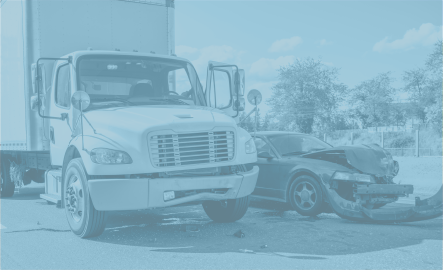
After a car accident, two drivers can remember the same few seconds very differently.
One says the light was green.
The other insists it was red.
One says the other vehicle changed lanes without warning.
The other says there was plenty of room.
One remembers braking. Another remembers speeding. Witnesses may disagree, memories fade, and sometimes there are no independent witnesses at all.
A dash cam doesn’t have a memory.
It simply records what was in front of it.
That can make dash cam footage an important piece of evidence after a Missouri car accident, particularly when the people involved disagree about how the collision occurred.
But having video doesn’t automatically mean you’ve won your case. Footage can be incomplete, unclear, or open to interpretation. It can also reveal details that aren’t favorable to the person who owns the camera.
If you’ve been injured in a Missouri car accident, understanding how dash cam footage can be used, and preserving it before it disappears, can be an important part of protecting your claim.
Your Dash Cam Is a Witness That Doesn’t Forget
Human memory is imperfect, especially during a frightening and unexpected event.
A crash may happen in seconds.
Drivers may be watching different parts of the road immediately before impact. Adrenaline can affect what people remember. Witnesses may see only a portion of what happened.
Dash cam footage offers something different: a contemporaneous recording.
Depending on the camera’s position, quality, and field of view, footage may capture details such as:
* Traffic signals
* Stop signs
* Lane markings
* Vehicle positions
* Sudden lane changes
* Following distance
* Brake lights
* Speeding or aggressive driving
* Weather conditions
* Road hazards
* Pedestrians or cyclists
* Events immediately before and after the collision
Some cameras also record audio, rear-facing video, GPS information, timestamps, or other data.
That doesn’t make a dash cam infallible. But when fault is disputed, video may provide evidence that is considerably more objective than competing recollections.
What Can Dash Cam Footage Prove After an Accident?
Dash cam evidence can be particularly valuable when it helps answer one of the central questions in a personal injury claim:
Who caused the accident?
Consider an intersection collision.
Driver A says Driver B ran a red light. Driver B says exactly the opposite.
Without independent witnesses or video, determining what happened may require accident reconstruction, physical evidence, vehicle damage, police observations, and testimony from the drivers.
Now imagine Driver A’s dash cam clearly shows a green traffic signal immediately before entering the intersection.
Suddenly, there is another piece of evidence to evaluate.
Dash cam footage may help establish facts involving:
Traffic Lights and Stop Signs
Video may show which driver had the right of way at an intersection.
Unsafe Lane Changes
Footage may capture a vehicle drifting into another lane or changing lanes without sufficient clearance.
Following Too Closely
In some rear-end crashes, video can provide context about traffic conditions and vehicle movements immediately before impact.
Distracted Driving
Depending on the camera angle, footage may capture conduct consistent with distraction or other unsafe driving behavior.
Aggressive Driving
Tailgating, dangerous passing, abrupt lane changes, and other conduct may appear on video.
Hit-and-Run Accidents
Footage may capture the fleeing vehicle, license plate, direction of travel, vehicle color, make, model, or identifying damage.
Road and Weather Conditions
Rain, snow, construction, debris, visibility, and roadway conditions can all matter when determining how a crash occurred.
Dash Cam Footage Can Help, But It Can Also Hurt
This is something accident victims sometimes overlook.
A camera records what happened, not what you wish had happened.
Suppose your footage shows the other driver making an unsafe lane change. That’s potentially helpful.
But what if the recording also suggests you were speeding immediately before impact?
What if audio captures you saying you were distracted?
What if the footage contradicts something you later told an insurance adjuster?
Video evidence isn’t automatically good evidence simply because the camera belongs to you.
That’s one reason it can be wise to speak with an attorney before deciding how footage should be handled or presented during an insurance claim.
An experienced car accident attorney can evaluate the recording in the context of all available evidence rather than treating a short video clip as the entire case.
Preserve Dash Cam Footage Immediately
One of the most important things to understand about dash cams is surprisingly simple:
**The recording may not stay there forever.**
Many dash cams use loop recording. When the memory card fills, the device automatically records over older footage.
That feature is useful when you’re commuting to work.
It’s considerably less useful when the video being overwritten happens to show the accident that injured you.
If you’ve been involved in a collision, preserve the original footage as soon as reasonably possible.
That may include:
* Removing or protecting the memory card
* Saving the original video file
* Creating backup copies
* Avoiding unnecessary editing
* Preserving the footage in its original format
* Keeping related metadata when available
Do not assume that because you can watch the recording today, you’ll still be able to retrieve it several weeks from now.
Don’t Edit the Original Recording
You may naturally want to crop the video down to the 15 seconds surrounding the crash.
For sharing with friends? Understandable.
For preserving legal evidence? Keep the original.
The minutes before and after an accident may provide valuable context. An edited clip can also raise questions about what was removed.
Preserve the complete original file whenever possible.
Copies can later be made for viewing, analysis, or presentation.
What If the Other Driver Has a Dash Cam?
Your camera isn’t the only one that matters.
If another vehicle involved in the crash appears to have a dash cam, that footage may contain important evidence too.
The problem is preservation.
Just as your camera may overwrite old files, so can someone else’s.
When important evidence is controlled by another person or company, an attorney may take steps to request that potentially relevant evidence be preserved.
Waiting several months to investigate video evidence can mean discovering that a recording once existed but no longer does.
Look Beyond the Cars Involved
Sometimes the best video of a car accident doesn’t come from either vehicle.
Think about how many cameras surround us every day.
A collision may have been recorded by:
* Nearby businesses
* Gas stations
* Restaurants
* Apartment buildings
* Parking garages
* Residential security systems
* Doorbell cameras
* Municipal or traffic-related cameras
* Commercial vehicles
* Buses
* Rideshare vehicles
* Other motorists
This can be particularly important in busy St. Louis intersections and commercial areas.
But many surveillance systems automatically delete or overwrite footage after a relatively short period.
That makes early investigation critical.
What About Cellphone Video After the Accident?
Video recorded after the collision may also matter.
For example, cellphone footage could document:
* Vehicle positions
* Debris
* Skid marks
* Weather conditions
* Traffic congestion
* Visible injuries
* Damage to the vehicles
* Statements made at the scene
* A driver’s apparent impairment or behavior
Photographs remain important, but video can capture context that still images sometimes miss.
If you’re physically able to document the scene safely, video may complement photographs and other evidence.
Your health and safety, however, come first. Never place yourself in traffic or delay necessary medical treatment to collect evidence.
Is Dash Cam Footage Admissible in Court?
Whether particular evidence may ultimately be admitted in court depends on the circumstances and applicable evidentiary rules.
Questions may arise about whether the footage is authentic, complete, relevant, or accurately represents what occurred.
That’s another reason preserving the original recording matters.
In many cases, however, a car accident claim settles without a trial. Video evidence can still play an important role during the insurance investigation and settlement negotiations.
Strong footage may change how an insurance company evaluates disputed liability long before anyone enters a courtroom.
Dash Cam Footage Is One Piece of the Evidence Puzzle
Even spectacular footage shouldn’t cause the rest of the investigation to stop.
A strong Missouri car accident claim may involve multiple forms of evidence, including:
* Police reports
* Witness statements
* Photographs
* Dash cam recordings
* Surveillance footage
* Vehicle damage
* Medical records
* Medical bills
* Employment and wage records
* Electronic or vehicle data when relevant
* Expert analysis in appropriate cases
Video may help explain **how** an accident happened.
Medical evidence helps explain **what the accident did to you**.
Both questions matter in an injury claim.
What If the Video Doesn’t Show the Actual Impact?
Don’t automatically delete it.
Footage immediately before or after a collision may still be useful.
For example, it could establish:
* Traffic conditions
* Your direction of travel
* Weather
* The other vehicle’s behavior
* A traffic signal
* Statements made immediately after impact
* The identity of witnesses
* The location of nearby surveillance cameras
Evidence doesn’t have to capture the precise moment of impact to have potential value.
Can an Insurance Company Ask for Your Dash Cam Footage?
If an insurer learns that footage exists, it may request access to it.
How you should respond can depend on the circumstances, including whose insurance company is asking and the status of the claim.
Remember that your recording could contain more than the collision itself.
Before providing potentially important evidence to another driver’s insurer, consider speaking with a Missouri personal injury attorney about your rights and obligations.
Should Everyone Have a Dash Cam?
Dash cams are increasingly common because they can document events that otherwise come down to conflicting accounts.
They aren’t magic.
They don’t prevent accidents, guarantee a successful claim, or replace careful investigation.
But when a crash happens quickly and everyone remembers it differently, having an independent recording can be enormously useful.
Think of it less as a device that “wins” a case and more as another witness.
One that happened to be looking through the windshield when everything went wrong.
What Should You Do With Dash Cam Footage After a Missouri Car Accident?
If you have dash cam footage after a crash:
- Preserve the original recording.
- Create a backup copy.
- Do not delete or overwrite footage from immediately before or after the crash.
- Avoid editing the original file.
- Do not post the footage on social media.
- Tell your attorney the footage exists.
- Preserve the camera and memory card if necessary.
Posting accident footage online may feel harmless, particularly when you believe it clearly proves the other driver was responsible.
But once something is public, you lose control over how it is copied, interpreted, or used.
Let the evidence do its job inside the claim rather than on Facebook.
Frequently Asked Questions About Dash Cam Evidence
Can dash cam footage prove who was at fault in a Missouri car accident?
It can be powerful evidence of fault when it clearly shows relevant events such as traffic signals, lane changes, vehicle movements, or dangerous driving. Fault should still be evaluated using all available evidence.
What if my dash cam footage makes me look partially responsible?
Missouri uses a comparative fault system, so evidence suggesting that more than one person contributed to a collision can affect the amount of compensation available. Do not delete unfavorable footage. Speak with an attorney about how the evidence affects your case.
Should I send my dash cam footage directly to the other driver’s insurance company?
Consider obtaining legal advice before providing important evidence or giving statements to another driver’s insurer. An attorney can review the footage and the circumstances surrounding the request.
Can another driver’s dash cam footage be obtained?
Potentially. If you believe another vehicle recorded the crash, tell your attorney as quickly as possible so appropriate steps can be considered to identify and preserve the footage.
What if my dash cam automatically erased the accident?
Recovery may sometimes be possible depending on the device and storage media, but there is no guarantee. Stop using the device or memory card if you believe important footage has been deleted and seek appropriate technical or legal guidance.
Are dash cams legal in Missouri?
The legality of a dash cam can involve issues such as where and how the device is mounted and whether audio is being recorded. Drivers should ensure their equipment complies with applicable Missouri laws and does not obstruct safe operation of the vehicle.
The S.E. Farris Law Firm Is Here to Help
Car accident cases often turn on evidence.
Sometimes that evidence is a witness who happened to be standing nearby. Sometimes it’s physical damage to the vehicles. Sometimes it’s buried in medical records, photographs, or electronic data.
And sometimes it’s sitting on a memory card attached to your windshield.
If you’ve been injured in a Missouri car accident, The S.E. Farris Law Firm can investigate what happened, identify evidence that may support your claim, deal with insurance companies, and help you understand your legal options.
If dash cam or other video footage may exist, acting quickly can be especially important because digital recordings don’t necessarily last forever.
Contact The S.E. Farris Law Firm to schedule a consultation about your Missouri car accident claim.

Title: Founder | Trial Attorney | Advocate for Injury Victims
Bio: For more than three decades, Spencer E. Farris has dedicated his career to helping injured people stand up to insurance companies, large corporations, and powerful institutions. As the founder of The S.E. Farris Law Firm, he has built a reputation throughout Missouri and Illinois for thoughtful advocacy, courtroom skill, and an unwavering commitment to justice. Spencer believes the law is more than a profession. It is a public trust. That belief has guided every stage of his career, from his education at Washington University School of Law to his decades representing individuals and families whose lives have been changed by serious injuries, unsafe products, workplace accidents, medical negligence, denied insurance claims, and wrongful conduct. A nationally recognized trial attorney, Spencer is Board Certified in Civil Trial Law by the National Board of Trial Advocacy, a distinction earned by only a small percentage of practicing attorneys. He is also a graduate of the Trial Lawyers College and has been selected to Super Lawyers year after year for his work on behalf of injury victims. Beyond the courtroom, Spencer has helped shape the legal profession itself. He has served on the Missouri Association of Trial Attorneys Board of Governors and held leadership roles as both associate editor and editor of the organization's magazine. Throughout his career, he has remained actively involved in advancing trial advocacy and protecting access to justice for everyday people. What clients often appreciate most about Spencer is his approachability. He understands that most people contact a lawyer during one of the most difficult periods of their lives. They are facing uncertainty, mounting bills, physical pain, and pressure from insurance companies. Spencer's goal is not simply to win cases. It is to help clients regain stability, confidence, and control over their futures. Unlike firms that measure success by volume, Spencer intentionally maintains a practice focused on personal attention and meaningful client relationships. Every case receives the preparation, strategy, and advocacy it deserves. Because when someone's future is on the line, they should never feel like just another file on a desk. Today, Spencer continues to represent individuals and families throughout Missouri and Illinois in complex personal injury, car accident, trucking accident, workplace injury, and catastrophic injury matters. His mission remains the same as it was when he opened his firm: to provide skilled legal representation, honest counsel, and relentless advocacy for those who need it most. Spencer's Practice Focus Throughout his career, Spencer has represented clients in cases involving:
- Serious motor vehicle collisions
- Commercial trucking accidents
- Catastrophic and life-altering injuries
- Wrongful death claims
- Dangerous and defective products
- Workplace and construction site injuries
- Insurance disputes and bad faith claims
- Complex personal injury litigation
