 Skip to content
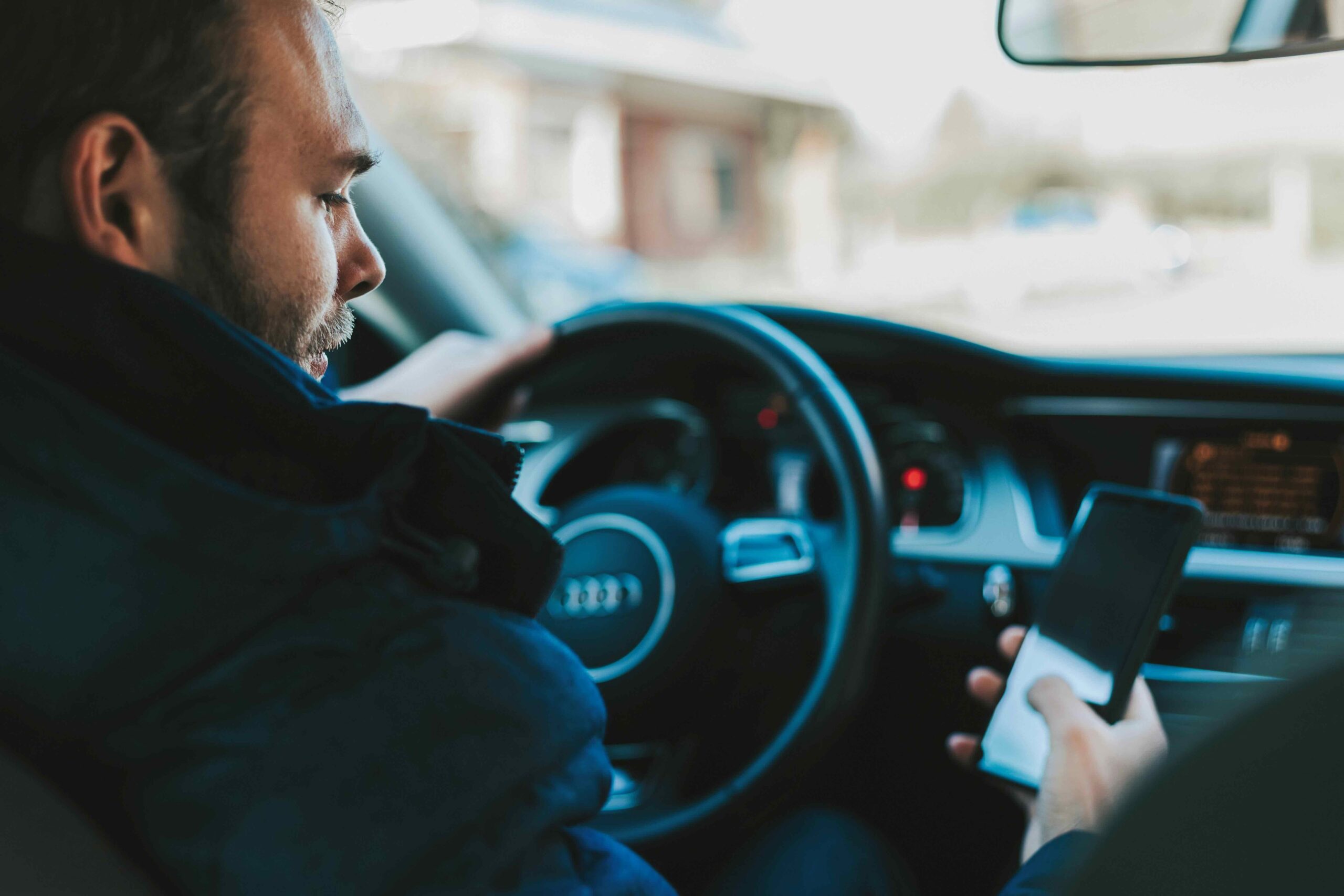
You weren’t driving.
You didn’t run the red light.
You weren’t following too closely.
You weren’t looking at a phone instead of the road.
You were simply sitting in the passenger seat when someone else made a mistake.
Yet you’re the one going to medical appointments, missing work, dealing with pain, and wondering who is supposed to pay for all of it.
Being injured as a passenger in a Missouri car accident can put you in a strange position. You may have done absolutely nothing to cause the collision, but determining which insurance company is responsible for your injuries can still become complicated.
Sometimes the driver of the other vehicle is responsible.
Sometimes the driver of the vehicle you were riding in caused the crash.
Sometimes both drivers contributed.
And sometimes the person responsible for the accident is someone you know very well.
Understanding where compensation may come from is an important first step after a serious passenger injury.
Passengers Often Have a Different Fault Question
Drivers involved in a collision frequently spend a great deal of time arguing about who caused it.
Passengers usually have a simpler answer:
Not me.
There are exceptions, of course, but a person simply riding in a vehicle generally isn’t responsible for decisions about speeding, following distance, yielding, lane changes, traffic signals, or distracted driving.
That can put an injured passenger in a different position when pursuing compensation.
The more complicated question often isn’t whether the passenger caused the accident.
It’s:
Which driver did, and whose insurance applies?
Scenario #1: The Other Driver Caused the Accident
Imagine you’re riding with a friend through St. Louis when another vehicle runs a red light and crashes into your side of the car.
If the other driver caused the collision, a passenger injury claim may be made against that driver’s liability insurance.
Depending on the circumstances and available coverage, compensation may include losses such as:
* Medical expenses
* Future medical treatment
* Lost wages
* Reduced earning capacity
* Pain and suffering
* Disability
* Other accident-related damages
In this situation, your claim may look similar to the claim made by the driver of the vehicle in which you were riding.
But there is an important difference.
The insurance company has less room to argue that you caused the crash simply because you happened to be sitting in the passenger seat.
That doesn’t mean the insurer will automatically pay everything being claimed.
The company may still dispute the seriousness of your injuries, whether particular treatment was necessary, whether a condition existed before the accident, or how much your damages are worth.
Scenario #2: The Driver You Were Riding With Caused the Crash
This is where things can become emotionally uncomfortable.
Suppose the person driving was:
* Your spouse
* Your sibling
* Your parent
* Your adult child
* Your best friend
* Your coworker
* Your neighbor
And that person caused the accident.
People sometimes hesitate to pursue a claim because they believe they’re “suing their friend.”
That’s not necessarily the best way to think about it.
In many car accident cases, the relevant source of compensation is an **insurance policy** purchased precisely to cover injuries caused by the insured driver’s negligence.
The fact that you care about the person who was driving doesn’t make your medical bills disappear.
It doesn’t replace the paycheck you lost while recovering.
And it doesn’t mean you should be responsible for the financial consequences of an accident you didn’t cause.
Filing an Insurance Claim Isn’t a Declaration of War
This distinction matters.
A personal injury claim arising from an automobile collision generally seeks compensation through applicable insurance coverage.
You can love someone and still need their insurance company to pay a legitimate claim.
Those two ideas can coexist.
This situation is also one reason talking with an attorney can be helpful. An attorney can explain what insurance coverage may apply and what pursuing a claim actually involves before you make decisions based on assumptions about what it might mean for your relationship.
Scenario #3: Both Drivers Share Responsibility
Not every collision has one completely innocent driver and one completely negligent driver.
Suppose you’re a passenger when two vehicles collide at an intersection.
One driver may have been speeding.
The other may have failed to yield.
Both actions could have contributed to the crash.
Missouri follows a pure comparative fault system. When more than one person contributes to an accident, responsibility can be allocated among them.
For an injured passenger, this can mean more than one driver and more than one insurance policy may need to be considered.
Rather than choosing one driver and hoping you’ve chosen correctly, an investigation may examine the actions of everyone involved.
Evidence could include:
* Police reports
* Witness statements
* Photographs
* Dash cam footage
* Surveillance video
* Vehicle damage
* Electronic information when relevant
* Accident reconstruction in appropriate cases
The goal is to determine what actually happened and who contributed to causing it.
What Happens in a Multi-Car Accident?
Passenger claims can become particularly complicated in chain-reaction and multi-vehicle crashes.
Imagine you’re riding in the second vehicle in a four-car pileup.
Who caused your injuries?
The driver who first failed to stop?
The vehicle that struck you directly?
Your own driver?
More than one of them?
There isn’t a universal answer.
Multi-vehicle crashes often require careful investigation because several acts of negligence may occur within only a few seconds.
An insurance company may point toward another driver and say, “They’re responsible.”
That driver’s insurer may point right back.
Meanwhile, you’re still injured.
A passenger shouldn’t have to become an accident reconstruction expert simply to figure out which insurance company should receive the claim.
What If the At-Fault Driver Doesn’t Have Insurance?
Things become more complicated when the responsible driver is uninsured.
Missouri drivers are generally required to carry automobile liability insurance, but not everyone follows the law.
And some drivers leave the scene entirely.
When the responsible driver has no insurance or cannot be identified, uninsured motorist coverage may become important.
The particular policies and circumstances must be reviewed carefully to determine what coverage is available.
This is another reason injured passengers shouldn’t assume there is no recovery simply because the at-fault driver has no insurance.
There may be additional coverage worth investigating.
What If the Driver Has Insurance, But Not Enough?
A serious injury can generate enormous costs.
Hospital care, surgery, rehabilitation, lost income, future treatment, and permanent limitations can quickly exceed the amount of liability insurance available from the responsible driver.
This creates another issue:
Underinsured motorist coverage.
Underinsured motorist coverage may apply in certain circumstances when the at-fault driver’s insurance is insufficient to fully compensate an injured person.
Whether coverage exists and how it applies depends on the relevant insurance policies and facts of the case.
This becomes especially important in crashes involving catastrophic injuries.
Multiple Injured Passengers Can Create Another Problem
Consider a serious collision involving a vehicle carrying four passengers.
All four are injured.
The at-fault driver has a limited amount of liability insurance.
Suddenly, several people may be seeking compensation from the same pool of insurance money.
Policy limits matter.
A liability policy may contain both per-person and per-accident limits, which can affect how much coverage is available when several people are injured in the same collision.
That can make early investigation particularly important.
It can also make a seemingly straightforward passenger claim considerably more complicated than expected.
What If You Were Riding With a Family Member?
This deserves special attention because family relationships often cause injured passengers to hesitate.
Imagine your spouse is driving.
You’re riding in the passenger seat.
Your spouse makes a mistake and causes a serious crash.
Now you’re injured.
Whether and how insurance coverage applies may depend on the language of the applicable policies, household relationships, exclusions, and other factors.
Don’t assume:
“I can’t make a claim because we’re married.”
Or:
“I can’t do anything because it was my parent’s car.”
Or:
“I don’t want my friend to have to personally pay my medical bills.”
Insurance policies exist for exactly these kinds of unexpected events.
Have the available coverage evaluated before deciding that you have no options.
What If the Passenger Is a Child?
Children injured as passengers present additional concerns.
A child may require:
* Emergency treatment
* Specialist care
* Rehabilitation
* Future medical treatment
* Psychological care
* Long-term monitoring
In addition, special rules may apply to resolving injury claims involving minors.
When a child has been seriously injured in a Missouri car accident, parents should consider obtaining legal advice about both the claim and the procedures involved in resolving it.
What If You Were Riding in an Uber or Lyft?
Rideshare passenger claims introduce another layer of insurance.
If you’re injured while riding in an Uber or Lyft, potential coverage may depend on factors such as:
* Who caused the accident
* Whether the rideshare driver was actively transporting a passenger
* The driver’s personal automobile coverage
* Insurance coverage associated with the rideshare platform
* The other driver’s insurance
Because rideshare accidents involve their own insurance issues, we’ll cover those claims separately in our guide to **Uber and Lyft accidents in Missouri**.
What Compensation Can an Injured Passenger Recover?
The fact that you weren’t driving doesn’t reduce the seriousness of your injuries.
Depending on the facts of the case, recoverable damages may include:
Medical Expenses
These may include:
* Ambulance transportation
* Emergency room care
* Hospitalization
* Surgery
* Diagnostic imaging
* Specialist appointments
* Physical therapy
* Medication
* Future medical treatment
Lost Income
If your injuries prevent you from working, your claim may include lost wages.
Serious injuries may also affect your future earning ability.
Pain and Suffering
Not every consequence of an accident arrives with an invoice.
Physical pain, reduced mobility, emotional distress, disability, and loss of enjoyment of life may also be relevant when evaluating damages.
Future Losses
A serious injury claim should consider not only what you’ve already lost, but also what the injury is reasonably expected to cost you in the future.
That’s one reason settling too quickly can be dangerous.
Don’t Rush to Settle Your Passenger Injury Claim
From an insurance company’s perspective, a passenger claim may sometimes look easy to resolve.
The passenger didn’t cause the accident.
Liability may seem straightforward.
Here’s a check.
Case closed.
But the value of a claim isn’t determined only by who caused the crash.
You also need to understand the full extent of your injuries.
If you’re still undergoing treatment, you may not yet know whether you’ll need:
* Additional physical therapy
* Injections
* Surgery
* Long-term medication
* Future specialist care
* Work restrictions
Once you sign a final settlement and release, you generally cannot return later because your injury turned out to be more serious than expected.
The speed of a settlement matters far less than whether it fairly accounts for your losses.
Insurance Companies May Still Challenge Your Injuries
Being an innocent passenger doesn’t mean the insurance company will agree with everything in your claim.
An insurer may argue:
* Your injuries aren’t as severe as you claim.
* Your symptoms existed before the crash.
* You waited too long to seek treatment.
* Your medical treatment was excessive.
* You didn’t follow your doctor’s recommendations.
* Some of your treatment was unrelated to the accident.
That’s why medical documentation matters even when fault seems obvious.
Seek appropriate medical care.
Follow your doctor’s recommendations.
Attend appointments.
Keep records.
And don’t assume that because everyone agrees you didn’t cause the accident, the insurance company will automatically agree on what your claim is worth.
What Should an Injured Passenger Do After a Missouri Car Accident?
If you’re physically able, many of the same steps recommended for drivers apply to passengers.
Seek Medical Attention
Your health comes first.
Some injuries aren’t immediately obvious after a collision.
Make Sure the Accident Is Reported
A police report may become important when determining how the crash occurred and identifying the drivers and insurers involved.
Take Photographs and Video
If you’re able to do so safely, document:
* Vehicle damage
* Vehicle positions
* The roadway
* Traffic signals
* Visible injuries
* Weather and road conditions
Get Witness Information
Independent witnesses can become particularly important when the drivers disagree about what happened.
Get Insurance Information
Don’t assume your driver has collected everything you’ll eventually need.
Keep Your Medical Records and Bills
Your injuries are part of the case, and documenting them matters.
Be Careful With Insurance Statements
You may receive calls from more than one insurance company.
Remember that even a friendly adjuster represents an insurance company, not you.
Don’t Post About the Accident Online
Social media posts, photographs, and comments can be taken out of context and used to challenge an injury claim.
Do Passengers Need a Car Accident Lawyer?
Not every minor collision requires an attorney.
But legal representation can become especially valuable when:
* Your injuries are serious
* More than one driver may be responsible
* Several passengers were injured
* Insurance coverage is limited
* An uninsured driver caused the crash
* The insurer disputes your injuries
* You need future medical treatment
* You’re unable to work
* A child was injured
* The crash involved a rideshare or commercial vehicle
A lawyer can investigate the collision, identify potentially responsible parties, review available insurance coverage, document your damages, and handle communications with insurers.
That lets you focus on something considerably more important:
Getting better.
Frequently Asked Questions About Missouri Passenger Injury Claims
Can I make a claim if the driver was my friend?
Potentially, yes. If your friend’s negligence caused the accident, applicable automobile liability insurance may provide coverage for your injuries. Pursuing an insurance claim does not necessarily mean seeking payment directly from your friend’s pocket.
What if my spouse caused the accident?
Claims involving spouses and household members can involve policy-specific coverage issues. The applicable insurance policies should be reviewed before assuming that coverage is or isn’t available.
Can I recover from both drivers if they both caused the accident?
Potentially. When multiple drivers contribute to a collision, responsibility may be allocated among them. More than one insurance policy may therefore become relevant to an injured passenger’s claim.
What if the driver who caused the accident was uninsured?
Uninsured motorist coverage may provide a source of compensation depending on the policies and circumstances involved.
Does the passenger’s own car insurance ever matter?
It can. Depending on the facts and available policies, a passenger’s own automobile coverage may become relevant, particularly in uninsured or underinsured motorist situations.
What if several passengers were injured?
Multiple claims against limited insurance coverage can make a case considerably more complicated. Policy limits and the number and severity of claims may affect available compensation.
How long does a passenger car accident claim take?
There is no standard timeline. The severity of the injuries, length of medical treatment, number of insurers involved, disputed issues, and whether litigation becomes necessary can all affect how long a claim takes.
The S.E. Farris Law Firm Is Here to Help
Passengers rarely expect to become part of an insurance dispute.
You got into a car expecting to arrive somewhere.
Instead, someone else’s driving decision left you dealing with injuries, medical appointments, missed work, and questions about who is responsible for paying for it.
When more than one driver or insurance policy may be involved, those questions can become complicated quickly.
The S.E. Farris Law Firm helps injured people throughout Missouri investigate car accidents, identify available insurance coverage, document their losses, and pursue compensation from those responsible.
If you were injured while riding as a passenger in a Missouri car accident, contact The S.E. Farris Law Firm to schedule a consultation and learn about your legal options.

Title: Founder | Trial Attorney | Advocate for Injury Victims
Bio: For more than three decades, Spencer E. Farris has dedicated his career to helping injured people stand up to insurance companies, large corporations, and powerful institutions. As the founder of The S.E. Farris Law Firm, he has built a reputation throughout Missouri and Illinois for thoughtful advocacy, courtroom skill, and an unwavering commitment to justice. Spencer believes the law is more than a profession. It is a public trust. That belief has guided every stage of his career, from his education at Washington University School of Law to his decades representing individuals and families whose lives have been changed by serious injuries, unsafe products, workplace accidents, medical negligence, denied insurance claims, and wrongful conduct. A nationally recognized trial attorney, Spencer is Board Certified in Civil Trial Law by the National Board of Trial Advocacy, a distinction earned by only a small percentage of practicing attorneys. He is also a graduate of the Trial Lawyers College and has been selected to Super Lawyers year after year for his work on behalf of injury victims. Beyond the courtroom, Spencer has helped shape the legal profession itself. He has served on the Missouri Association of Trial Attorneys Board of Governors and held leadership roles as both associate editor and editor of the organization's magazine. Throughout his career, he has remained actively involved in advancing trial advocacy and protecting access to justice for everyday people. What clients often appreciate most about Spencer is his approachability. He understands that most people contact a lawyer during one of the most difficult periods of their lives. They are facing uncertainty, mounting bills, physical pain, and pressure from insurance companies. Spencer's goal is not simply to win cases. It is to help clients regain stability, confidence, and control over their futures. Unlike firms that measure success by volume, Spencer intentionally maintains a practice focused on personal attention and meaningful client relationships. Every case receives the preparation, strategy, and advocacy it deserves. Because when someone's future is on the line, they should never feel like just another file on a desk. Today, Spencer continues to represent individuals and families throughout Missouri and Illinois in complex personal injury, car accident, trucking accident, workplace injury, and catastrophic injury matters. His mission remains the same as it was when he opened his firm: to provide skilled legal representation, honest counsel, and relentless advocacy for those who need it most. Spencer's Practice Focus Throughout his career, Spencer has represented clients in cases involving:
- Serious motor vehicle collisions
- Commercial trucking accidents
- Catastrophic and life-altering injuries
- Wrongful death claims
- Dangerous and defective products
- Workplace and construction site injuries
- Insurance disputes and bad faith claims
- Complex personal injury litigation
